

Before paying for house plans, check whether the drawings can become a permitted, buildable, livable home on your land. Attractive house design plans can hide assumptions about soil, climate, code, spans, roof construction, plumbing, furniture, and licensing.
What should a homeowner check before buying house plans?
A homeowner should check drawing completeness, legal use rights, site assumptions, structural logic, and daily fit before buying house plans, because stock drawings may not match local codes, climate, soil, contractor methods, or permit requirements.
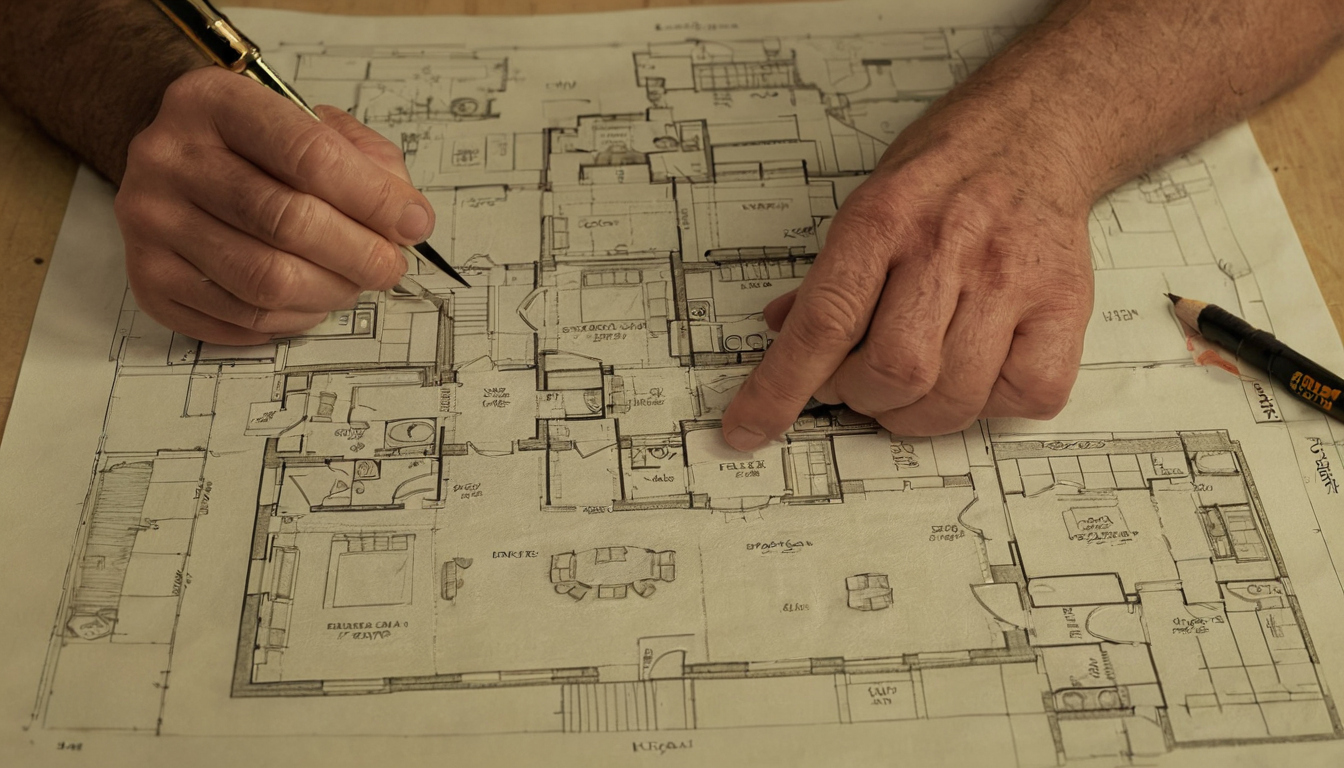
A complete house plan set should show more than attractive floor plans
- Required sheets: floor plans, elevations, sections, roof plan, foundation plan, schedules, electrical layout, and outline specifications.
- Drawing status: conceptual drawings explain intent, marketing renderings sell the image, permit drawings address approvals, and construction drawings guide pricing and building.
- Common exclusions: site plan, engineering, soil report, energy compliance, HVAC design, plumbing design, and local permit revisions.
Moisture-prone rooms need ventilation and waterproofing assumptions before pricing. The U.S. Environmental Protection Agency advises fixing wet or damp spots promptly in its mold and moisture guide.
The house plan license determines whether adaptation is legal and practical
The license should state single-use rights, modification permission, copyright limits, reproduction rules, and whether a local architect or engineer must stamp the drawings. In California, new Structural Engineer applicants must meet exam and eligibility requirements under state application guidance.
What should a homeowner check before buying house plans shown with practical context cues.
How do house plans reveal construction cost before a builder quote?
House plans reveal likely construction cost through geometry, spans, roof form, foundation complexity, glazing area, façade articulation, and wet-zone layout.
Simple footprints and roof forms usually price more predictably than broken geometry
Compact rectangles, simple L-shapes, and clean roof planes give builders fewer corners, flashings, formwork changes, and waste cuts to price. Broken footprints with offsets, terraces, parapets, roof valleys, and mixed cladding zones increase labor risk.
- Lower cost-risk: rectangular plan, repeated window sizes, simple gable or hip roof, short exterior wall length.
- Higher cost-risk: multi-valley roof, split levels, curved walls, projecting bays, complicated waterproofing junctions.
Long spans, cantilevers, and open-plan rooms can move a house plan into higher structural cost
Open living rooms, double-height spaces, large garage doors, floating corners, stacked glazing, balconies, and deep cantilevers often require engineered beams, posts, steel, engineered timber, thicker slabs, or deeper foundations.
Wet rooms and service runs are cheaper when the house plan groups them logically
Grouped kitchens, bathrooms, laundries, and mechanical rooms shorten drainage routes and simplify venting. Isolated bathrooms, long drains, and inaccessible equipment closets add risk. The EPA recommends increasing ventilation when using indoor products that emit volatile organic compounds in its EPA indoor air guidance.
Which architectural design checks prove that house plans are buildable on your site?
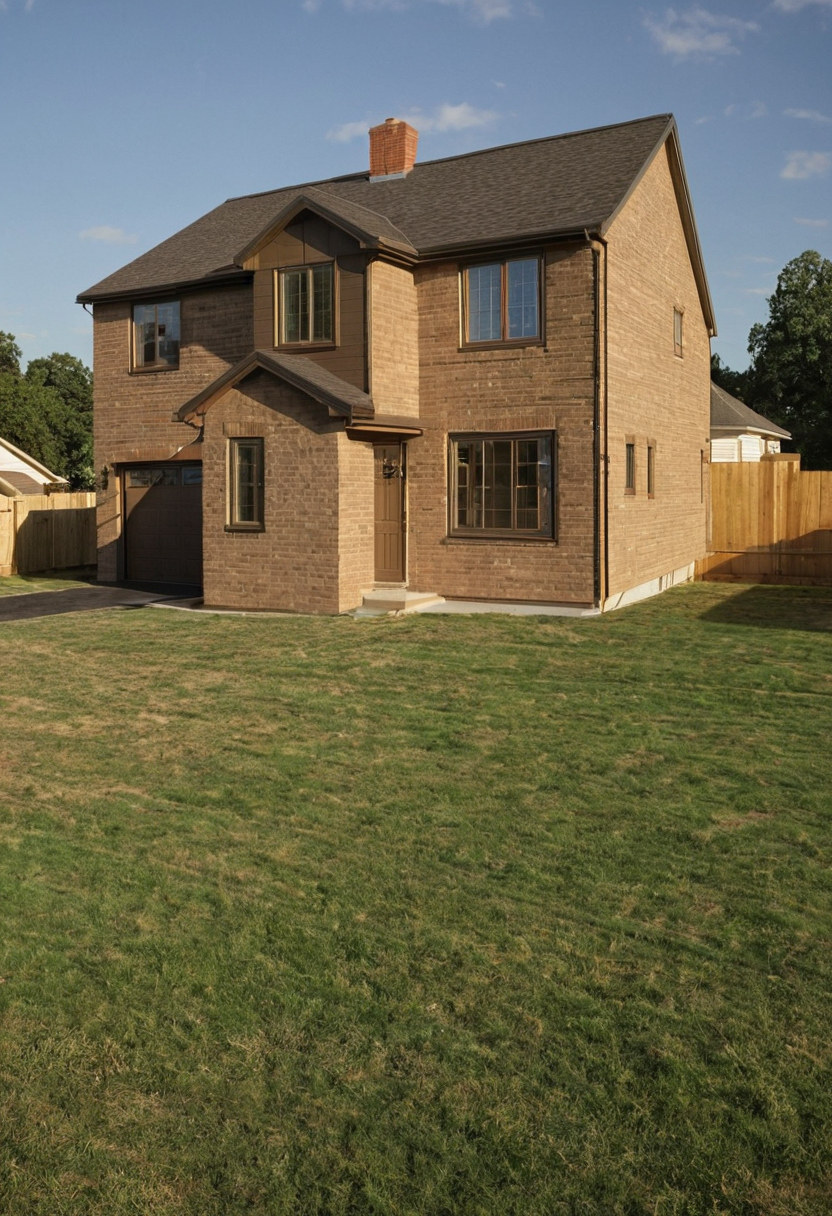
House plans are buildable only when the architectural design matches the site, jurisdiction, soil, access, orientation, climate, and utilities.
Which architectural design checks prove that house plans are buildable on your site shown as an editorial planning reference.
| Buildability check | What to verify before purchase | Result of the check |
|---|---|---|
| Planning fit | Setbacks, lot coverage, height, floor-area ratio, parking, frontage, easements. | The footprint fits the legal envelope or needs redesign. |
| Site reality | Survey, topography, slope, soil, drainage, flood risk, wind, seismic exposure, access, utilities. | Foundation, entry, garage, and services become testable. |
| Code exposure | Stairs, guards, egress, ventilation, smoke alarms, fire separation, energy compliance. | The plan can move toward permit drawings. |
A site plan is the first test of whether house plans can be permitted
A permit-ready site plan needs a boundary survey, topographic survey, north arrow, easements, road access, driveway grades, drainage direction, and service connection points.
Climate and orientation can make a good-looking house plan uncomfortable
Hot climates need controlled glazing, overhangs, shade, and cross-ventilation. Cold climates need compact form, insulation continuity, water shedding, and protected entries. Coastal and windy sites need secure, corrosion-aware detailing.
Local code review is required before treating purchased plans as construction drawings
Local review protects buyers from assuming online architecture is automatically legal architecture. Where applicable, the 2010 ADA Standards specify a 30 by 48 inch clear floor or ground space and accessible dining and work surfaces at 28 to 34 inches above the finish floor or ground.
Do house design plans fit daily life after furniture, storage, and service needs are drawn in?
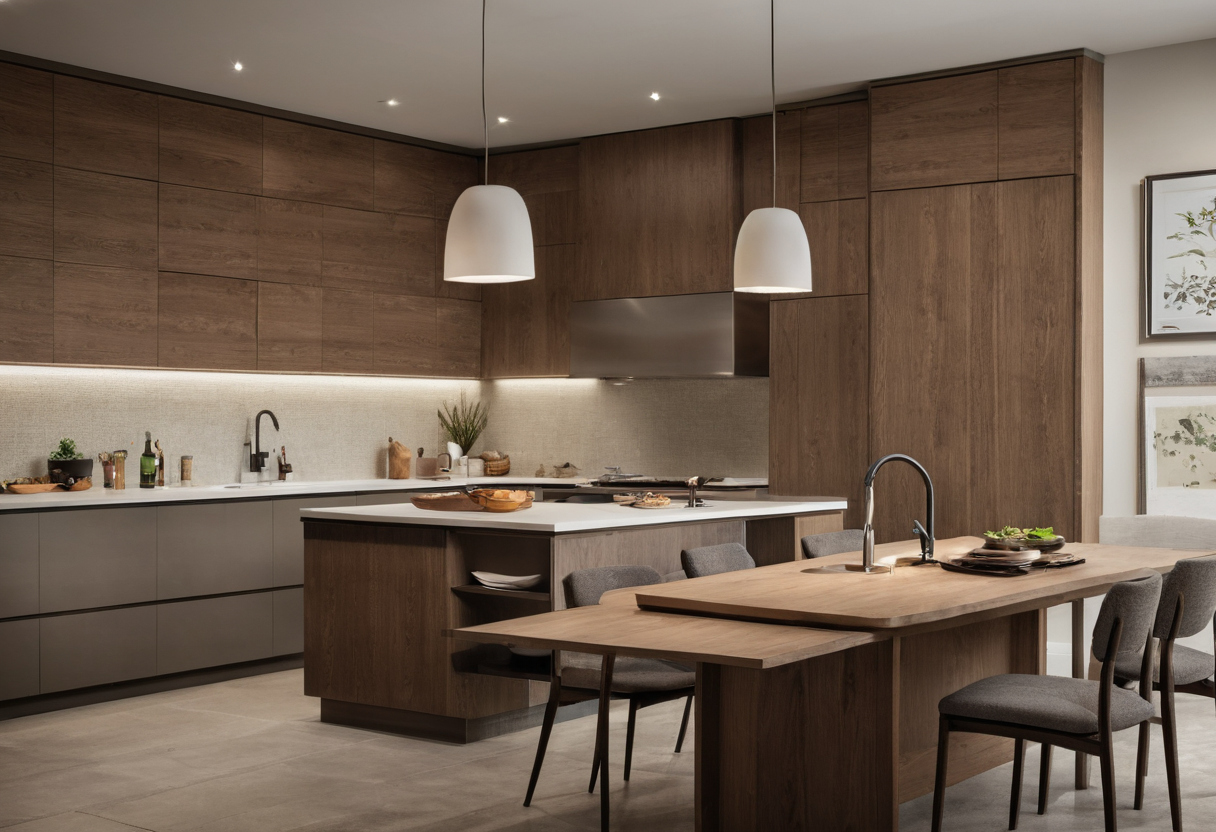
House design plans fit daily life only after beds, sofas, dining chairs, wardrobes, appliances, laundry routes, bins, cars, outdoor furniture, and service access are tested at scale.
Furniture-scaled plans reveal whether room sizes are honest
Draw furniture before judging room size. A queen bed needs bedside access and wardrobe clearance, a dining table needs chair pull-back space, and a kitchen island needs working aisles that allow drawers, dishwashers, and people to move together.
Do house design plans fit daily life after furniture, storage, and service needs are drawn in shown as a planning reference for layout, scale, and material decisions.
Circulation should be short, legible, and not carved out of useful rooms
Trace repeated routes: garage to kitchen, bedroom to bathroom, laundry to drying area, kitchen to terrace, entry to guest powder room, and bins to collection point.
Privacy and noise control matter as much as room count in family house plans
Bedrooms should avoid television walls where possible, bathrooms should not dominate dining-room sightlines, and home offices need acoustic separation. Impressive villa proportions and room hierarchy still need furniture testing, service access, and quiet thresholds.
HVAC equipment, water heaters, electrical panels, laundry appliances, pool equipment, and waste storage need reachable locations with maintenance clearance.
When are stock house plans worth adapting, and when do they become risky?
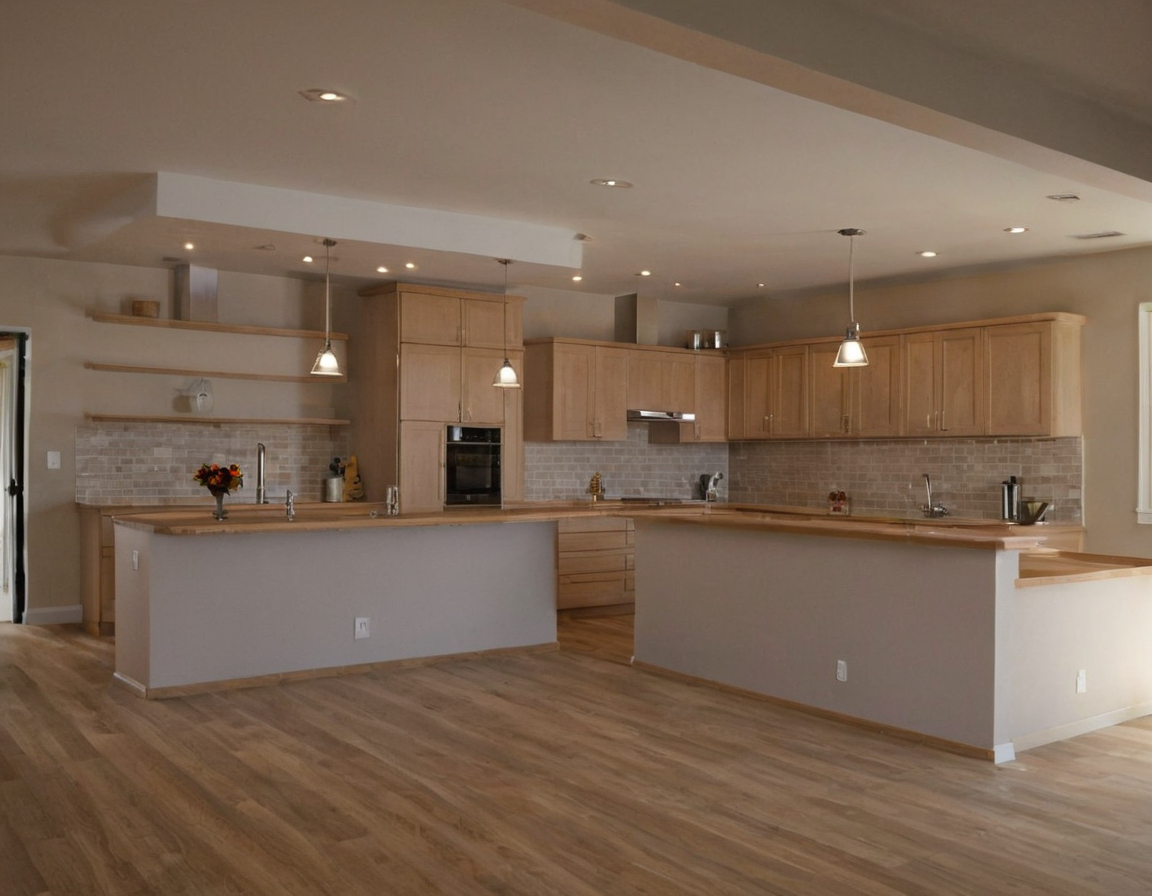
Stock house plans are worth adapting when the layout already fits the site, budget, household, climate, and construction method with only minor changes. They become risky when the buyer needs structural redesign, new roof logic, altered façade proportions, relocated wet rooms, or code corrections after purchase.
Minor changes usually preserve the value of a purchased house plan
Sensible changes include adjusting window sizes, revising non-load-bearing partitions, changing finishes, refining door swings, revising cabinetry, modestly resizing a room, or simplifying a porch detail.
Major changes can erase the savings of buying house plans online
Moving stairs, changing the foundation type, altering the roof form, widening open-plan spans, relocating kitchens or bathrooms, adding a basement, or converting a hot-climate plan for a cold-climate site can trigger engineering, energy review, and permit responsibility.
When are stock house plans worth adapting, and when do they become risky shown as an editorial planning reference.
How should a homeowner compare house plans before asking for construction estimates?
A homeowner should compare house plans with a shortlist matrix that scores site fit, code exposure, structural simplicity, roof complexity, wet-zone efficiency, furniture fit, storage, daylight, service access, and modification burden.
A house plan comparison table should separate design appeal from construction risk
| Audit field | Low-risk signal | High-risk signal |
|---|---|---|
| Lot fit and floor area | Matches setbacks, access, and budget range | Needs major resizing |
| Roof, foundation, spans | Simple forms and short structural runs | Complex roof, long openings, cantilevers |
| Wet zones and storage | Grouped plumbing, useful closets, service access | Scattered bathrooms, weak laundry and plant space |
The safest next step is a paid local review before buying full construction documents
Give a local architect or building designer a site survey, zoning notes, sample plan set, budget range, household brief, climate priorities, and preferred construction method. Add a structural engineer when spans, slopes, retaining walls, seismic exposure, or wind exposure require review.
FAQ
Is buying house plans online a good idea for a custom home or villa?
Yes, if the plan already fits the site, climate, household, and budget. Treat it as a starting package, not automatic construction permission.
What are the advantages of buying house plans instead of starting from scratch?
The main advantages are speed, visible layout choices, and lower early design cost. Savings hold only if adaptation stays limited.
How much should a homeowner pay for architect drawings after buying house plans?
The fee depends on scope: site adaptation, code review, engineering coordination, permit drawings, specifications, and construction administration are different services.
Is $300,000 enough to build a house from purchased plans?
It may work in some markets and fail in others. Size, site work, structure, roof complexity, labor rates, utilities, finishes, and code requirements decide.
What are the main types of building plans a homeowner should understand before construction?
Homeowners should distinguish conceptual plans, permit drawings, construction drawings, structural drawings, MEP layouts, specifications, schedules, and site plans.